Evaluating Black and Proud Embroidery for Real Projects
As an embroidery designer who works with real customers every day, I approach every design with a practical eye. When considering a file like the Black and Proud Black History Embroidery from Creative Fabrica, I’m looking beyond the download button. I’m thinking about how it will stitch out, how it will look on a finished product, and whether it meets the needs of my clients and my business. This is my honest evaluation from the perspective of putting it to work.
First Impressions and Project Fit
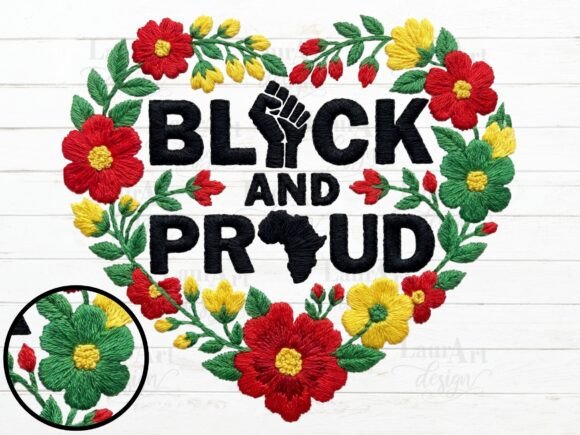
The immediate visual mood of this design is powerful and celebratory. It carries a clear, dignified personality that would translate well into satin stitch lettering and decorative elements. For embroidery designers and crafters looking to create meaningful items, this isn’t just a graphic; it’s a statement piece with strong decorative appeal.
It naturally fits projects where the message is central. I envision it on custom apparel like sweatshirts and t-shirts, on tote bags for everyday use, or as a focal point on pillow covers and aprons. For small business owners, especially those creating for boutiques, craft fairs, or Etsy listings, this design could form the core of a product line during relevant seasons or for year-round empowerment collections. The handmade presentation it offers is one of intentionality and respect.
Performance in Real Embroidery Work
Thinking about actual machine embroidery, the key considerations always revolve around detail level and stitch density. With a design like this, the potential complexity lies in any small lettering or layered details. For successful application on items like caps or baby blankets, you must consider the base fabric.
Stretchy fabrics for sweatshirts or textured fabrics for towels require proper stabilizer choice to prevent puckering. Dark fabrics will need high-contrast thread colors to make the design pop, while curved surfaces like caps demand careful hooping and possibly a smaller hoop size adaptation. This isn’t a design you’d run on a tiny baby item without first testing the scale; the message deserves clarity and space.
Practical Application Notes
Before committing to a customer order, my standard practice is crucial here:
- Always test on scrap fabric identical to the final product.
- Check thread color contrast thoroughly, especially if stitching on black or dark garments.
- Review stitch density in your software preview; dense areas can be tough on lightweight fabrics like kitchen towels.
- Confirm hoop size requirements. Since specifics aren’t provided in the basic product description, you must check the actual embroidery file details on the Creative Fabrica product page.
- Create both light and dark fabric mockups digitally to visualize the final product for your shop photos or client presentations.
Inspecting small details after a test stitch-out is non-negotiable. This ensures the design’s integrity is maintained, which directly affects buyer trust and the perceived value of your handmade product.
Affecting Product Value and Customer Engagement
Using a design with such a specific and powerful message significantly impacts your product’s story. For Etsy sellers and creative entrepreneurs, this can enhance customer engagement. An embroidered patch or a custom apparel item featuring this becomes more than an accessory; it’s a wearable symbol. This elevates the giftability of items like tote bags or pillow covers, making them thoughtful presents.
From a business standpoint, it supports brand consistency for shops focused on social justice, community pride, or cultural celebration. The visual appeal in your product photography will be strong, allowing for clear, impactful printable mockups and listing images. However, the commercial embroidery use comes with a vital reminder from the product description: When used on physical products, please watermark the design. Digital resale is not allowed. This is a critical license point to understand before selling any finished items.
Considerations for Specific Projects
Let’s break down some common project scenarios:
- Sweatshirts & Hoodies: Excellent fit for a bold chest or back design. Ensure stabilizer is heavy enough for the knit fabric to handle any fill stitch areas.
- Tote Bags & Aprons: Ideal canvas for this design. The sturdy fabric handles embroidery well, and the product becomes both functional and expressive.
- Baby Items & Nursery Decor: A beautiful choice for a baby blanket or pillow cover in a child’s room, celebrating heritage from the start. Opt for softer backing to maintain fabric pliability.
- Caps: Possible but tricky. The curved surface and front panel size may require scaling. A test run is essential to check readability.
- Kitchen Towels & Pillow Covers: Fantastic for home decor with meaning. Be mindful of stitch count on terry cloth or linen to avoid a stiff result.
- Embroidered Patches: A superb application. The design can be stitched onto twill for a patch, adding versatility to your product line.
Final Thoughts for Commercial Use
Is the Black and Proud Black History Embroidery worth downloading for real project use? For designers and makers whose client base or product vision aligns with its message, absolutely. It’s a digital embroidery file with strong potential. However, its value is realized only through careful, professional application.
Do not skip the pre-production steps. Confirm every detail of the embroidery file itself on Creative Fabrica—available formats, stitch count, suggested hoop sizes, and the exact licensing terms. The product is listed under Freebies and Graphics, which is a great opportunity, but the responsibility for proper use lies with you. Use it to create dignified, high-quality handmade products that honor the design’s intent, and it can become a valuable asset in your commercial embroidery toolkit.