Seamless Wall Paper Embroidery Design: A Real-World Review
As an embroidery designer who relies on digital files for both personal projects and commercial work, I approach every new design with a practical eye. When considering the Seamless Wall Paper Embroidery Design from Creative Fabrica, I immediately asked myself: Is this a file I would confidently use for a real customer order or a product for my handmade shop? This review stems from that exact mindset, evaluating it as a tool rather than just a graphic.
First Impressions: A Decorative and Versatile Pattern
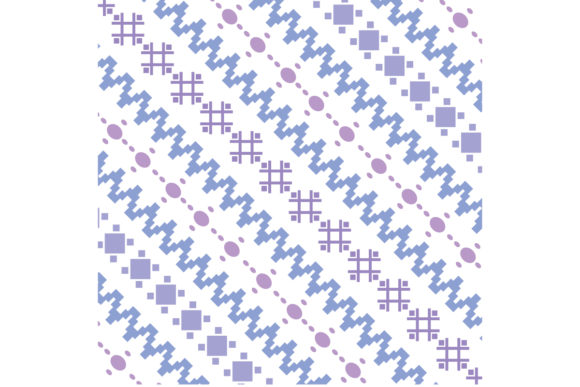
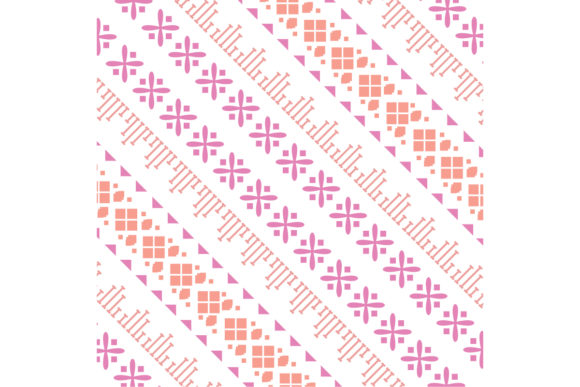
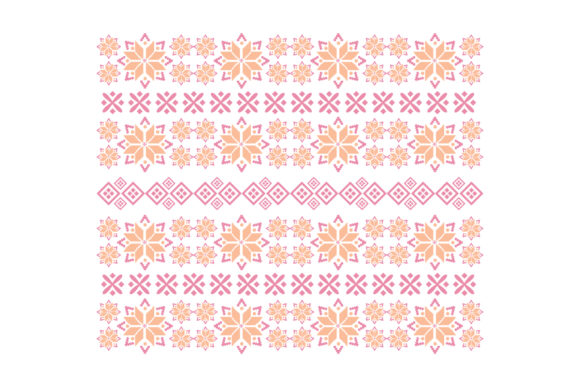
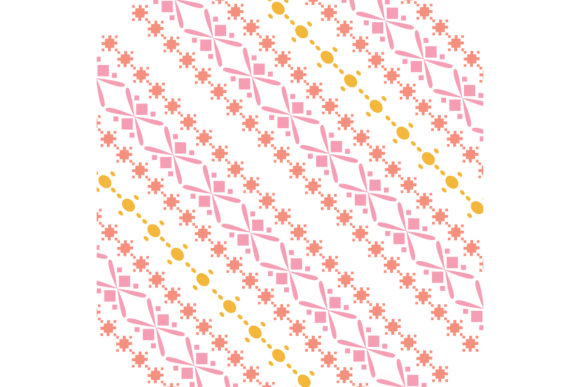
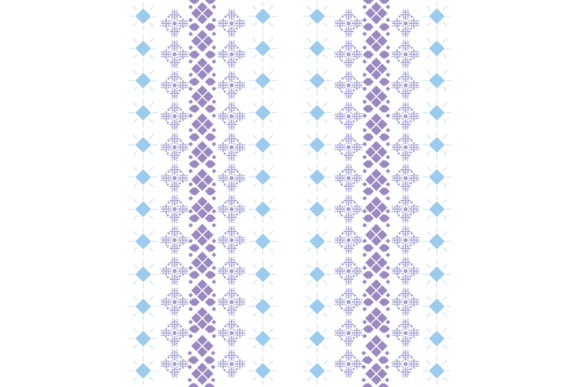
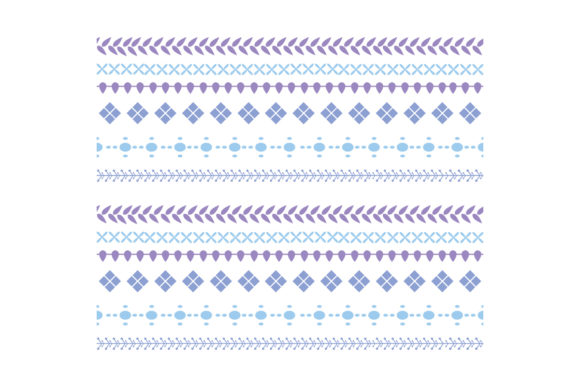
The design’s name, Seamless Wall Paper, perfectly captures its visual mood. It presents itself not as a single, isolated motif, but as a continuous, decorative pattern. This seamless nature is its greatest initial strength. The detail level suggests a design built for visual texture rather than intricate, tiny lettering. Its stitching personality leans towards a consistent, repeating aesthetic ideal for creating a backdrop or a full-coverage decorative element. It naturally fits projects where the embroidery itself is the primary fabric decoration, like on pillow covers, tote bags, or the border of a baby blanket.
Performance Across Real Embroidery Projects
Thinking about specific applications, this embroidery file holds promise for a wide range of items. For custom apparel like sweatshirts or aprons, it could serve as a striking all-over pattern on a sleeve or panel, provided the stitch density is manageable for the fabric weight. On tote bags and pillow covers, where fabric is typically stable, it could embroider beautifully as a central feature.
For baby items or nursery decor, its decorative appeal aligns well with creating a handmade, personalized gift. As an Etsy seller, this pattern could elevate basic items like kitchen towels or simple caps into more visually engaging listings. However, its use on curved surfaces like caps or on very small embroidered patches would depend entirely on the scale and how well the seamless pattern adapts to a confined hoop area. The key question is whether the design’s repeat structure can be isolated into a smaller, still-cohesive segment.
Practical Considerations for Stitching Success
Before committing this design to a final product, several practical tests are essential. Always test on scrap fabric first, especially given the potential for dense fill stitch areas common in pattern-based designs. This test reveals the true stitch density and how the fabric reacts. Check thread color contrast on both light and dark fabric mockups; a pattern might need a different palette for a dark sweatshirt versus a light baby blanket.
Review the required hoop size meticulously. A seamless pattern might be designed for a larger hoop, and attempting to shrink it for a small project could distort the detail. Using the proper stabilizer is non-negotiable, particularly for textured or stretchy fabrics like fleece or knit used in sweatshirts. After stitching, inspect small details closely; ensure the repeat points are clean and there are no awkward jump stitches that break the seamless illusion.
Impact on Product Value and Customer Appeal
Using a well-executed pattern like this can significantly affect handmade product value. It moves an item from a simple, monogrammed piece to a decoratively embroidered one, which can enhance buyer trust in your craftsmanship. The visual appeal it adds boosts product photography for your online shop or printable mockup, making your listings more engaging. For a personalized gift, such embroidery conveys a level of care and design intention that customers appreciate.
It also aids in brand consistency for small businesses. If this pattern becomes part of your signature style across different products—from aprons to pillow covers—it creates a recognizable look for your boutique merchandise. The giftability of items adorned with a complete, beautiful pattern is inherently higher.
A Crucial Final Step Before Selling
One of the most important notes for any commercial crafter or digital product seller: always confirm the file details and licensing on the Creative Fabrica product page before selling finished items. I do not invent specifics about file formats, stitch count, or license terms. For the Seamless Wall Paper Embroidery Design, you must verify these details yourself. This ensures your use is compliant, whether for a craft fair product or a large-scale commercial embroidery order. Understanding the license protects your business and your customer relationships.
Is This Creative Fabrica Embroidery Design Worth Using?
From my perspective as a professional, the Seamless Wall Paper Embroidery Design presents a strong opportunity for decorative applications on stable, larger-surface products. Its pattern nature makes it versatile across the Graphics and Patterns categories. However, its success hinges entirely on practical preparation. It is not a design I would blindly load into the machine for a customer’s cap without testing. For projects like pillow covers, tote bags, blankets, or apparel panels where its seamless, decorative quality can shine, it could be a valuable design asset. Its real-world worth is determined by your diligence in testing, adapting thread colors, and confirming the technical specifications provided by the designer on Creative Fabrica. If those align with your project needs, it can become a reliable file for creating beautiful, finished products.