St. Patricks Day Gnome Embroidery Design Review
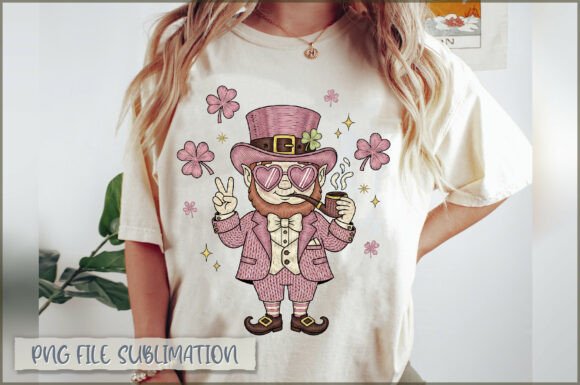
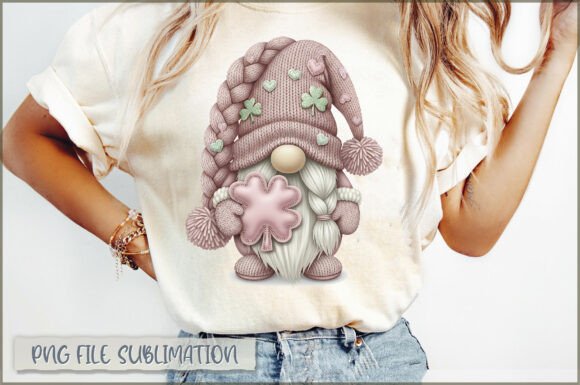
As an embroidery designer preparing a limited sweatshirt collection for a boutique brand, my first step is always to evaluate a design not just as a digital file, but as a finished, wearable product. Today, I’m reviewing the St. Patricks Day Gnome Embroidery PNG. The description mentions "Preppy Faux Yarn Embroidery" and "Lantch Hook Yarn Faux Crochet styles," which immediately sets a very specific mood. This isn’t a traditional, sharp graphic; it’s aiming for a soft, textured, handmade feel, reminiscent of actual crochet or yarn work. That’s a clever approach for a seasonal design.
First Impression: A Playful, Rustic Seasonal Charm
The first thing I consider is the emotional tone. A gnome design for St. Patrick’s Day inherently leans playful, cute, and rustic. The "faux yarn" description suggests the design uses visual stitching tricks to mimic the soft, dimensional look of knitted or crocheted fabric. This gives it a cozy, handmade personality that’s perfect for boutique apparel. It feels less like a bold, graphic logo and more like a decorative, feminine accent. For a small shop targeting customers who love unique, craft-inspired details, this mood is a strong starting point.
Visualizing the Finished Embroidered Product
I close the digital file and picture it stitched out. On a neutral sweatshirt—like cream, oatmeal, or light grey—the greens and golds of the gnome would pop beautifully, creating a premium, decorative focal point. On dark fabric, such as a navy or black hoodie, the contrast would be striking and bold, making the design feel more modern and graphic. On pastel colors, like a soft mint or blush pink sweatshirt, the design would blend into a casual, cute, and cohesive seasonal palette ideal for spring collections. The faux yarn texture is key here: if executed well in the embroidery file, the stitches themselves should look plush and textured, adding tactile value to the finished product.
Placement and Application for Boutique Sweatshirts
For my envisioned sweatshirt drop, placement is everything. This St. Patricks Day Gnome Embroidery PNG has clear applications.
- Chest Placement: A classic left-chest placement on an oversized hoodie would be perfect. It’s a statement without being overwhelming.
- Sleeve Accents: A smaller version on the sleeve could add a delightful, playful detail, especially on a simpler sweatshirt base.
- Back Designs: For a more statement piece, a larger version centered on the back of a cozy sweatshirt would create a strong, recognizable item for boutique merchandise.
In lifestyle product photography, this kind of detailed, thematic embroidery shines. It tells a story of craftsmanship and seasonal celebration, which boosts customer engagement and trust in a handmade product. For Etsy listings and mockup previews, it’s exactly the type of visual that sells—it’s not just a graphic; it’s a finished product vision.
Practical Designer Concerns for Machine Embroidery
Now, the crucial part: will this design work technically for commercial apparel use? The description says it's a PNG, typically used for sublimation, but calls it an "embroidery PNG." This is a reminder to all Etsy sellers and apparel decorators: you must confirm the actual file format provided. For machine embroidery, we need specific embroidery files (like .PES, .DST). A PNG is a preview image, not a stitch file. Assuming the "Freebies" category includes proper embroidery formats, here’s my evaluation based on common challenges.
Stitching Personality and Durability
The "faux yarn" style implies a certain stitch density to create that textured look. High stitch density on sweatshirt fabric, especially on the chest of a thick hoodie, requires careful planning.
- Thread Color Contrast: Greens against neutral or dark backgrounds need to be chosen carefully for readability and pop.
- Stitch Density & Fabric Thickness: A dense design on a thick sweatshirt might require a stronger stabilizer choice to prevent puckering and ensure a flat, premium finish.
- Small-Size Readability: If scaling down for sleeve accents, the faux yarn details must remain clear. Overly intricate small elements can blur.
- Hoop Placement & Stability: Larger back designs on heavy sweatshirts need secure hooping and potentially multiple stabilizer layers.
- Washing Durability: A well-digitized design with secure stitch paths will hold up to washing, reinforcing buyer trust in your brand.
This design feels decorative and detailed, which can translate to a strong, high-value look if the underlying embroidery file is digitized with commercial embroidery in mind. If it’s too simplistic or lacks underlay stitching, it might feel fragile on fabric.
Elevating Brand Identity and Product Value
For a small clothing brand, every design choice impacts identity. Using a thematic, well-executed embroidery file like this can significantly elevate a simple sweatshirt.
- Product Value: It transforms a basic hoodie into a seasonal, limited-edition item, justifying a higher price point.
- Brand Identity: It reinforces a brand persona that is playful, craft-aware, and attentive to detail.
- Visual Recognition: A unique gnome design becomes a recognizable signature for your St. Patrick’s Day collection.
- Handmade Presentation: The faux yarn aesthetic directly supports a narrative of craftsmanship, which is gold for creative entrepreneurs.
In a market saturated with basic prints, offering a product with apparent texture and embroidery depth builds a stronger emotional connection with the customer.
A Final Note Before You Hoop
The St. Patricks Day Gnome Embroidery PNG, from its description, has the creative potential to be a charming centerpiece for a boutique sweatshirt drop. It leans cute, rustic, and decorative, perfect for targeting a market that loves festive, handmade-style apparel. However, the leap from a promising concept to a flawless finished product rests on the technical details of the actual digital embroidery file. Before production, I always remind my fellow designers: confirm the stitch count, the included hoop size recommendations, and test stitch it on your target fabric—a scrap of that thick sweatshirt material. That test will tell you everything about stitch density, stabilizer choice, and whether this design feels strong enough for the commercial, wearable art you’re aiming to create. If it stitches out cleanly, you’ve got a winner that will look stunning on neutral, dark, and pastel sweatshirts, ready for your shop’s spotlight.