The Decorative Acorn: A Versatile Embroidery Design for Craft Fairs
First Impressions: Rustic Charm Meets Modern Craftsmanship
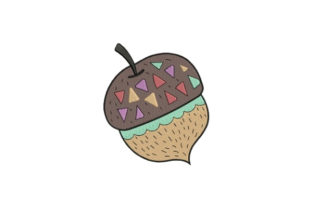
When I first evaluate a new embroidery file for my craft fair products, I look for that immediate visual appeal. The Decorative Acorn design delivers a lovely, rustic charm with a touch of elegant simplicity. It doesn’t scream “festive” or “bold”; instead, it whispers “nature-inspired” and “decorative.” This is a key strength. It feels premium yet approachable, fitting perfectly into the farmhouse, rustic, and modern minimalist trends that customers at handmade markets consistently seek. It’s the kind of design that will catch a buyer’s eye not with loud colors, but with its clean, recognizable shape and inherent warmth.
Where the Acorn Shines: Product Applications and Booth Placement
My next step is to imagine this design across my typical craft fair table. Where will it stand out?
Tote Bags and Market Bags
This is a prime candidate for tote bag design. The Decorative Acorn has a balanced, central focal point that works beautifully on a bag’s flat panel. It’s neither too sprawling nor too tiny, suggesting it would stitch out cleanly without overwhelming the fabric. On a natural canvas or linen tote, it would look exceptionally handmade and high-quality, adding significant perceived value.
Aprons and Kitchen Textiles
For apron embroidery or tea towel embroidery, this design is a natural fit. Its category, Forest Trees, hints at a woodland aesthetic perfect for home kitchens. Embroidered on the corner of a tea towel or the chest of an apron, it transforms a utilitarian item into a giftable handmade product. The key here will be fabric texture; on a textured towel, you must ensure the design’s details aren’t lost.
Pillow Covers and Home Decor
As a decorative element on a pillow cover, the Decorative Acorn could work as a single, elegant accent or a repeated pattern. This versatility is a major selling point for batch production.
Embroidered Patches and Caps
This design’s success as an embroidered patch or on a cap depends entirely on its stitch density and detail size. If the design has very tiny, intricate lines (like fine stem details), it might lose clarity when reduced for a patch or struggle on the curved surface of a cap. I would strongly advise testing on scrap fabric first.
Small Pouches and Gift Items
For small fabric pouches or other boutique makers’ items, the acorn offers a perfect, charming accent. It’s small enough to not dominate the item but distinctive enough to make it feel special. This is ideal for creating a cohesive brand look across different small shop products.
Practical Production: What Every Seller Must Check
Turning a digital embroidery file into a sellable craft fair product requires practical scrutiny. Here’s my professional checklist for the Decorative Acorn.
Understanding the Design at a Glance
The design is clearly an acorn, which is excellent. Customers understand it immediately. It likely works best as a medium-sized focal design. I would not recommend using it as a very small accent, as the acorn’s defining cap and nut shape need space to be recognizable.
Photographing for Online Sales
For Etsy listings or printable mockups, this design should photograph well. Its symmetrical, nature-based form creates a pleasing composition. To maximize appeal, stitch it on a few different fabric colors—a dark fabric, a neutral, and a light one—to show buyers its versatility. Thread contrast is critical here; ensure your thread colors pop against the chosen background.
The Reality of Batch Production
This design feels repeatable. It’s not overly complex, which suggests reasonable stitch times and less thread consumption, important for producing multiple items for a weekend fair. However, always confirm the actual stitch count and estimated runtime from the embroidery file itself before committing to large batch production.
Critical Technical Checks
- Hoop Size: You must know the required hoop size. A design that fits in a common 4x4 or 5x7 hoop is far more practical for small items like pouches and patches.
- Stitch Density: Check for dense stitch areas, particularly in the acorn’s cap. High density on thin fabrics like cotton lawn can cause puckering; using the correct stabilizer is non-negotiable.
- Small Details: Examine the file for any minuscule details. If there is tiny lettering or very fine lines, these may not translate well to textured fabrics like towels or might break on thick fabrics like denim.
From File to Finished Product: The Designer’s Final Notes
Before I ever stitch a design onto a product for sale, I follow a strict protocol. For the Decorative Acorn, I would:
- Create a Real Mockup: Stitch it out on a scrap of the actual fabric I plan to use (e.g., canvas for a tote, cotton for a towel). This tests everything: stabilizer choice, thread tension, and final appearance.
- Compare Fabric Colors: Stitch the same design on light, medium, and dark scraps. This reveals if any details vanish on dark fabric and helps plan my product color lineup.
- Review Spacing and Alignment: If I plan to use it on items with specific placement (like centered on a pillow), I ensure the design’s dimensions align pleasingly with the product’s dimensions.
- Confirm Commercial Licensing: The product description states it’s a “high-quality embroidery ready for your next sewing project,” but I must explicitly verify that the license permits commercial embroidery use for finished products I intend to sell. Never assume.
Turning Appeal into Sales at Your Booth
At the craft fair itself, products featuring the Decorative Acorn should be grouped. Place the acorn tote bags next to the acorn tea towels. This creates a strong, thematic section in your booth that tells a story: “rustic, nature-inspired home and life.” It boosts buyer engagement by showing the design’s versatility. A customer who loves the acorn on a towel might also buy the matching pouch. This design isn’t a flashy joke or a seasonal icon; it’s a timeless, decorative element. Its value lies in its ability to feel handmade and special without being niche. It appeals to a wide range of buyers looking for a touch of crafted beauty in their home or wardrobe.
In summary, the Decorative Acorn machine embroidery design presents a fantastic opportunity for craft fair sellers, Etsy sellers, and boutique makers. Its rustic yet clean aesthetic translates well across a range of popular handmade products. By paying close attention to the practical production details—hoop size, stitch density, fabric choice, and licensing—you can transform this digital embroidery file into a lineup of finished products that not only look beautiful in person but also hold their value and attract customers seeking authentic, creative craftsmanship.